Salons
How to Choose a Hair Salon and Stylist (Anywhere)
The right stylist matters more than the right salon. Here is how to find one, check them out, and ask for the haircut you actually want.
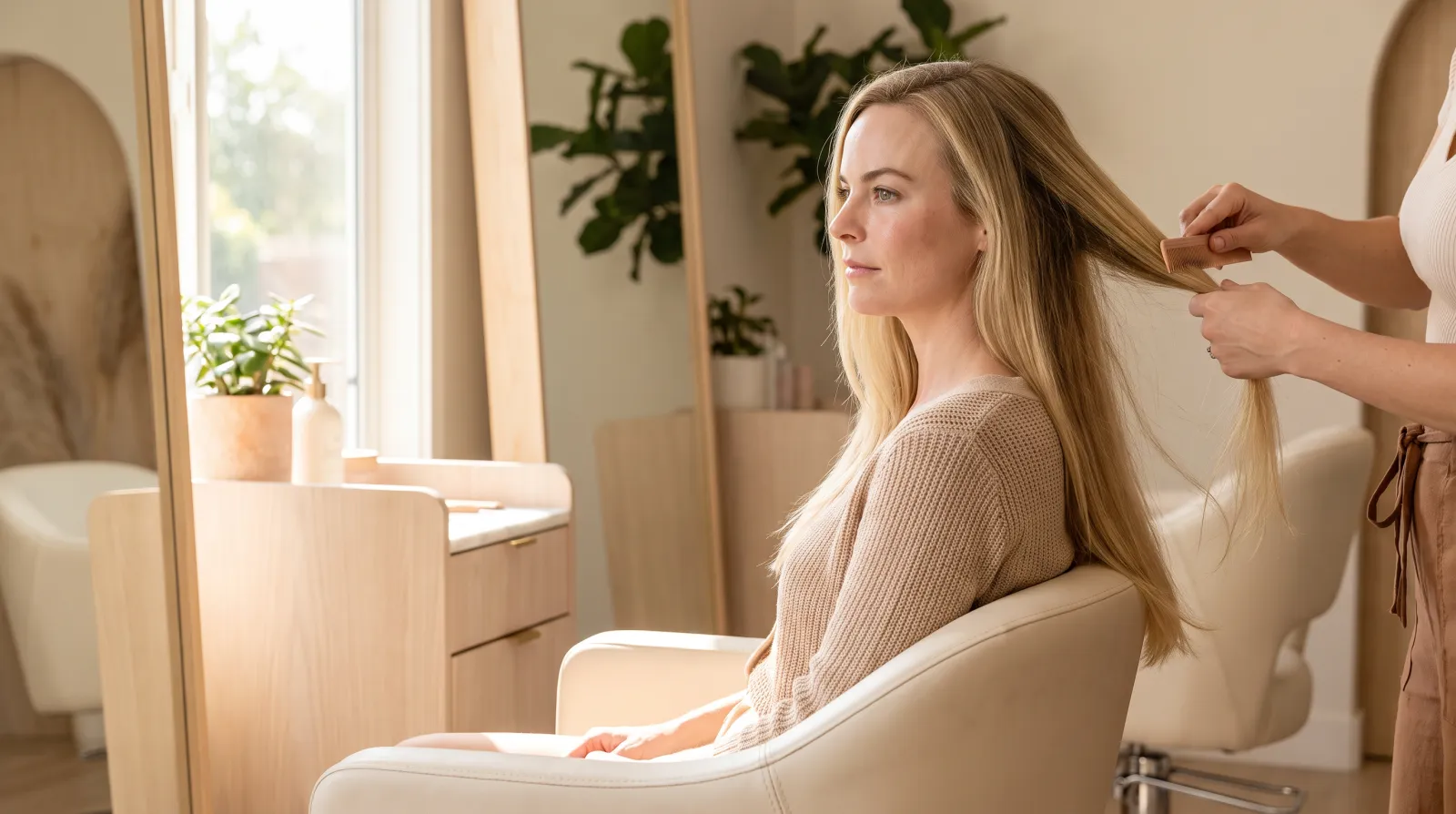
To choose a hair salon, start with the stylist, not the building. Find someone whose recent photos match what you want, book a short consultation, ask about price up front, and notice whether they listen. A great haircut is a partnership, and you can check for it before you ever sit down.
Start with the work, not the salon
Big salons can employ stylists with very different skills. One person is brilliant with curls. Another does a perfect blunt bob. A third is known for blonding. So the first question is not "which salon" but "who does the thing I want?"
Search for the specific result you are after, in the city you are in. Try "curly cut," "blonde balayage," "short pixie," "men's fade" or "textured layers." Then look through the results for stylists rather than just salon pages.
Where to find candidates
- Instagram and TikTok. Many stylists post their work. Search a location tag plus the style, and look at the most recent posts.
- Salon websites. Look for a team page with individual portfolios, specialties and prices.
- Booking apps and maps. Reviews on map and booking listings help, especially when they name the stylist and describe the result.
- People with hair like yours. If you see a cut you love on a stranger, a friendly "who cut your hair?" often works better than any search.
- Beauty schools. Supervised students can be cheaper. They take longer and the results can vary, so they suit simple cuts better than major changes.
How to read a portfolio
A portfolio is the best evidence you will get. Here is what to check.
- Look at the range. Do you see work on hair like yours: your texture, length and color?
- Check that the photos are recent. Styles and skills change, and an old post does not tell you much.
- Look at the shape and finish, not the filter. Does the cut have clean lines and movement? Is the color even from root to end?
- Look for before and after. They show what the stylist can fix, not just what they can polish for a photo.
- Do not rely on edited photos. Heavy filters, lighting and styling can hide a lot.
The consultation: your best tool
Many salons offer a short consultation, sometimes free or low-cost. Use it. You are not signing a contract. You are testing whether this person understands you.
During the chat, notice how they act:
- Do they ask about your hair history, your routine, and how much time you spend styling?
- Do they look at your hair dry and touch it, rather than only talk?
- Do they tell you what is realistic for your texture, rather than just saying yes to everything?
- Do they explain the plan and the cost before they start?
A good stylist will sometimes tell you that your reference photo will not work on your hair, and then offer something close that will. That honesty is a green flag.
Pricing: ask first
Prices vary widely by city, salon and stylist level. In many salons, the same service costs more with a senior stylist than a junior one. Color is the area with the biggest range, because it depends on hair length, thickness and the number of steps.
Before you book, ask:
- What is the price for this service on my hair length?
- Does the price include a blow dry and a finish?
- Are toners, gloss or treatments extra?
- What is the cancellation or no-show policy?
Also factor in upkeep. A cut that needs a trim every six weeks and a color that needs a touch-up every eight will cost far more over a year than the first appointment.
Tipping
In the US, 15 to 20 percent is common, and some people tip the assistant separately. Elsewhere it may be less common or included. Check the local norm if you are traveling.
Red flags
- No portfolio, or only stock photos.
- No consultation, and a rush to start.
- Vague or changing prices, or a surprise price at the till.
- Pressure to buy products or add treatments you did not ask for.
- Dismissing your photos, your concerns or your hair type.
- Promising major color changes in one visit on damaged or previously colored hair with no discussion of risk.
- Unclean tools, brushes or stations.
If something feels wrong at the start, it is fine to say "I have changed my mind" and leave. Pay for any service already done, and move on.
What to bring
- Two or three photos of what you want. Choose photos of people with a hair texture and density close to yours.
- One photo of what you do not want. It prevents a lot of mistakes.
- Your hair history. Any box color, bleach, relaxers or keratin treatments in the last couple of years. Be honest. It affects what is safe.
- Your daily routine. How much time you give to styling, and which tools you use.
- Allergies or scalp issues. If you have had a reaction to hair dye or a product, say so. For a scalp problem, see a doctor.

How to ask for the cut you want
"Just a trim" and "a little off" mean different things to different people. Use measurements and clear words instead.
- Length: show where it should land, such as "at my collarbone," or "about an inch off the ends."
- Shape: blunt, layered, tapered, rounded. Ask your stylist what each would look like on your hair.
- Face-framing: say whether you want pieces around the face, and how short.
- Styling: tell them if you air-dry or use heat. A cut that needs a blowout every morning is a bad fit for a no-styling life.
- Check the plan out loud. "So you are going to take two inches off and add soft layers, right?" Then confirm before cutting.
If you are choosing a style, our guides to short hairstyles for women and haircuts for square faces can give you words and ideas to take along.
After the appointment
Ask your stylist how to style the cut at home and which products they used. If you love the result, book the next appointment before you leave, and rebook with the same stylist. If you do not love it, say so politely within a few days. Most salons would rather fix something than lose a client.
Booking salon hair for travel or a destination event
Getting your hair done away from home adds a few steps.
- Book early. Wedding season, prom weekends and holidays fill up weeks in advance.
- Ask about trial runs. If it is a wedding or a big event, book a trial, even if that means doing it at home with your own stylist first. If you are traveling, a video call consultation may be an option.
- Send reference photos in advance, along with a photo of your hair as it is now.
- Check if they travel. Some stylists will come to your hotel, but travel fees add up. Ask for the full quote.
- Plan for the climate. Humidity, wind and heat change how hair behaves. Tell the stylist where the event will be held.
- Do not try a big change right before. Save a major cut or a new color for a few weeks earlier, so there is time to adjust.
For event styling, see our event hair and makeup guide.
A simple checklist
- Find stylists who do the type of work you want, using recent photos.
- Book a consultation or a small service first.
- Ask for the full price before you start.
- Bring photos of what you want and what you do not.
- Speak up early if something is not right.
Questions people ask
How do I find a good hair stylist in a new city?
Search by the type of work you want, such as curls, blonding or short cuts, and look at each stylist's recent photos. Then book a short consultation before a full service.
Should I pay for a consultation?
Many salons offer a free or low-cost one. It lets you meet the stylist, talk through the plan and get a quote before you commit.
How much should I tip a hairstylist?
In the US, 15 to 20 percent is common. Customs differ by country, so check what is normal where you are.
What should I bring to a salon appointment?
Two or three photos of the cut or color you want, a photo of what you do not want, and a note about your hair history and daily routine.
How early should I book salon hair for an event?
Book as soon as you have the date, and do a trial run for important events. Peak seasons like wedding and prom weekends fill up weeks ahead.